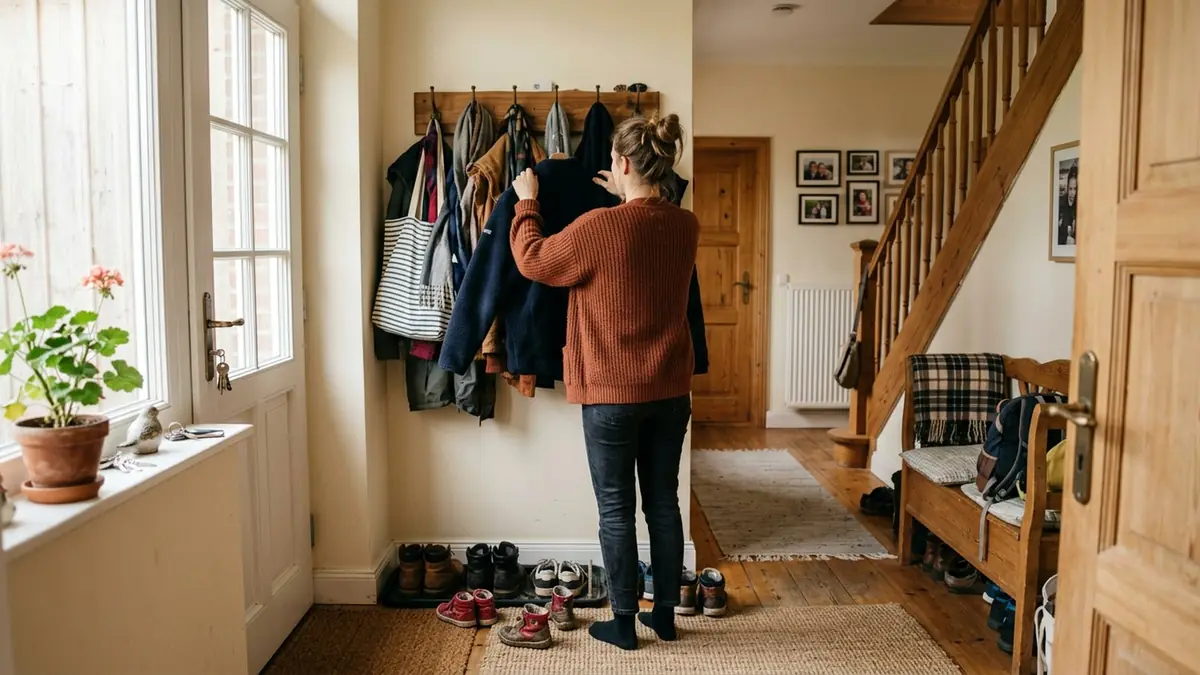
Being a single parent – when everyday life is simply missing a second person
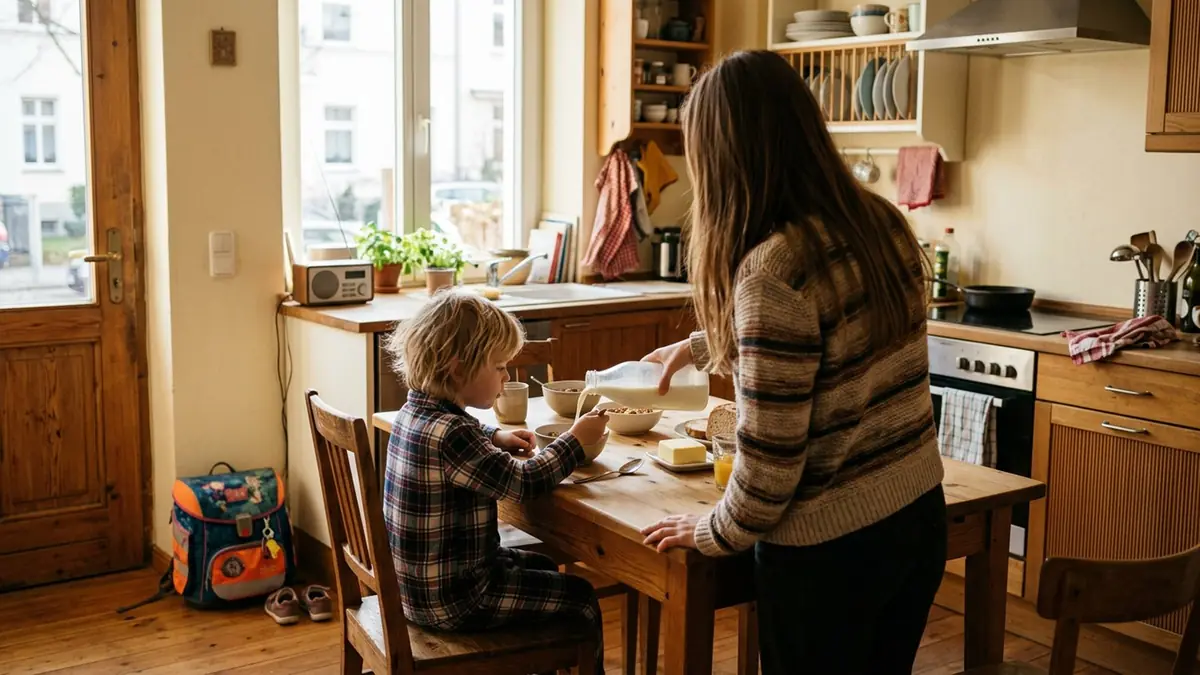
Being a single parent often doesn't just mean making decisions on your own.
It means, above all, that there is no second person in everyday life.
No one to briefly hand something to in the morning. No one who can help one child get dressed while you get the other ready. No one who can step in for a moment while you make a phone call, run an errand, or simply need to manage two things at once.
When a child has a disability as well, that can become especially noticeable in everyday life.
An au pair doesn't replace a second parent.
But it brings back something many single parents are missing from their everyday lives:
another familiar adult in the house.
Simply having two more hands
It's not always the big things that make everyday life exhausting.
Often it's the many small situations that happen at the same time.
One child needs to be got ready while the other already has to leave for school. The phone rings. A bag still isn't packed. A sibling wants to tell you something. At the same moment, the child with a disability needs support.
When you're on your own, all of that lands on one person.
With an au pair, suddenly there are two more hands.
One person can already be preparing breakfast while you help a child. One accompanies a child while the other stays with a sibling. One tidies up after dinner while the other has time for the children.
Not everything has to be caught by you at the same time any more.
Someone you don't have to explain everything to afresh every day
Of course, there are other ways of getting support too.
But the big difference with an au pair is that they don't come for a few hours and then leave again.
They live with your family.
Over time, they get to know your routines. They know how the morning works, when which child comes home, and which routines matter.
You don't have to start from zero every time you need support.
“Could you please …?” eventually turns into a natural, shared way of working together.
More time for siblings
In families with a child with a disability, something often happens quite unconsciously:
The child who currently needs more support automatically gets more attention.
Not because parents see or love their other children any less. Simply because a day only has so many hours.
For single parents, it is especially difficult to divide that attention.
An au pair can open up new possibilities here.
Perhaps the au pair accompanies your child to an activity while you have time for the sibling.
Or the au pair spends time with the children at home while you go and do something quite deliberately alone with one of your children.
Suddenly, small windows of time for mum-and-child or dad-and-child moments appear again.
And the siblings benefit from this too.
A familiar person for your child with a disability
An au pair can also become an important attachment figure for the child with a disability themselves.
Because trust grows over time.
The au pair shares everyday life, gets to know habits, and learns how the child communicates, what makes them happy, and when they need support.
Especially for children who find change difficult or take longer to warm to new people, this consistency can be particularly valuable.
The au pair is not a carer and does not replace professional support.
But they can accompany, engage, play together, help out in everyday life and simply be there.
And, in time, this person becomes part of everyday life
At first, the au pair is a stranger standing at your door with a suitcase.
But an au pair stay is designed to span many months together.
You have breakfast together. You go through chaotic mornings and relaxed afternoons. Eventually you know each other's favourite meals, little quirks and family jokes.
A source of support can become a familiar person – for your child with a disability, for their siblings, and for you too.
And that is exactly where the particular value lies for single parents.
You no longer have to catch everything alone
An au pair doesn't suddenly make everyday life perfect. Nor do they take on the role of a missing parent.
But they change something decisive:
In day-to-day family life, you are no longer the only adult responsible for everything.
There are two more hands.
Someone who knows the children. Someone who knows the routines. Someone who can pitch in.
That creates breathing room for you, more attention for siblings, and another familiar attachment figure for your child with a disability.
And sometimes that is exactly the greatest relief:
no longer having to carry every single moment alone.