
Before confirmation
How we prepare au pairs
As an au pair agency, we run an intensive preparation programme — designed specifically for life in families with a child with a disability.
Au Pair Academy
Our preparation programme
We do not simply place au pairs. We prepare young people specifically for life in families with a child with a disability or additional needs.
Process
From application to departure
Our au pairs go through a fixed preparation process. The first four steps are completed before the matching. After a host family's confirmation, personal preparation for the upcoming departure begins.
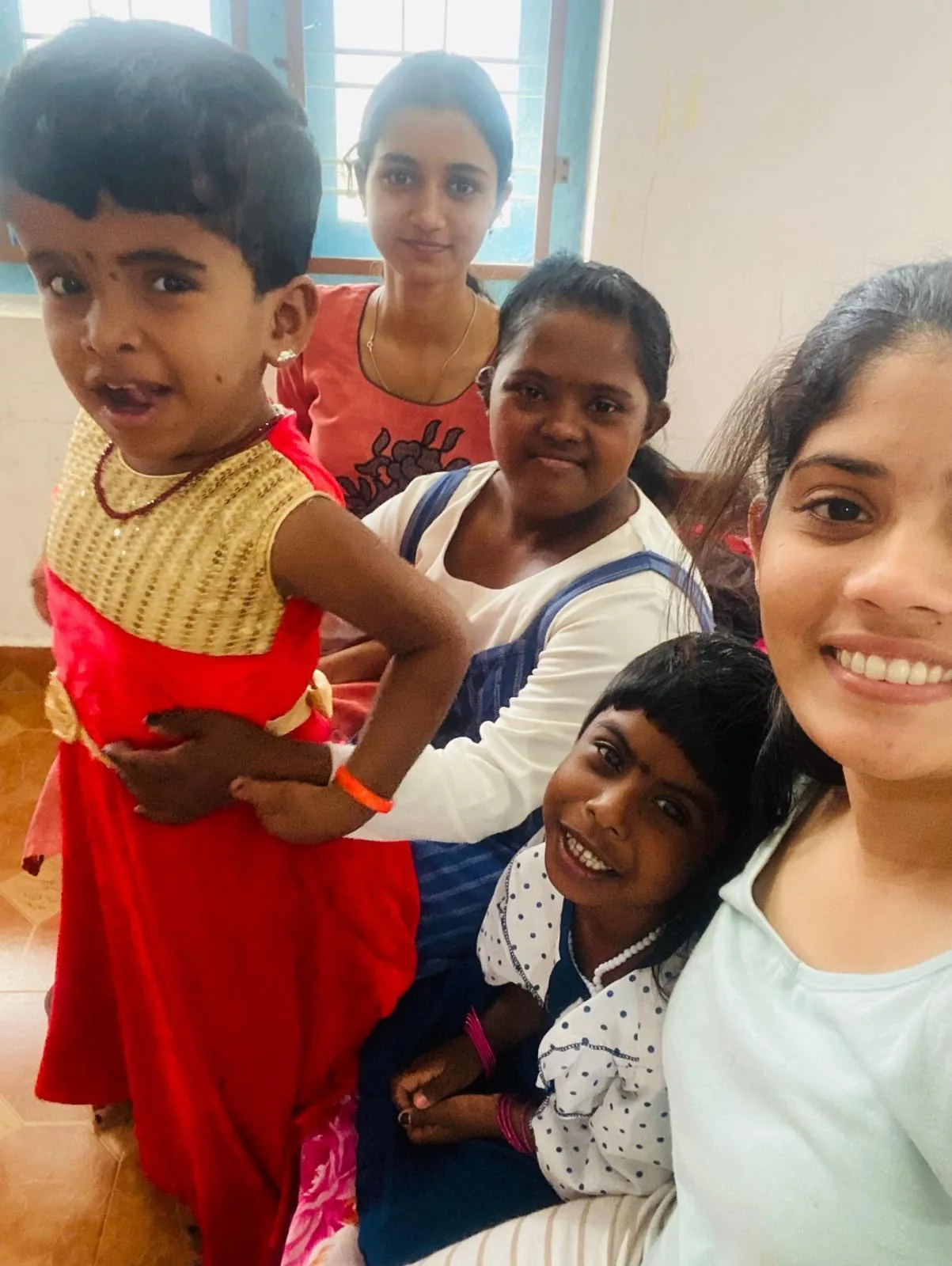


Compulsory placement
Compulsory placement with children with a disability
First practical experience before the placement with a family begins.
Before being placed, every au pair completes a compulsory placement (Pflichtpraktikum) in a Kita (German nursery/kindergarten), a school, or a comparable setting with children with different forms of disability.
The aim is above all to reduce initial apprehension and gather practical experience. The au pairs get to know different behaviours, develop a better understanding of individual needs, and experience how children are supported, encouraged, and included in play in everyday life.
Completed before departureEvidenced by a certificateKita, school, or comparable setting
Footage from the placements
A short clip an au pair sent us from their compulsory placement.
Course structure
Online training with knowledge tests
Prepared for the au pair programme, life in Germany, and everyday family life.
These topics are part of the preparation:
Not just conveying knowledge, but checking it
The training includes knowledge tests. This is how we make sure the au pairs have not just watched the most important content, but also understood it.
Online cooking workshop
A first introduction to German children's cooking
What do children in Germany actually eat day to day? In our online cooking workshop, the au pairs get to know a few simple, typical children's meals and can familiarise themselves with German cuisine before departure.
In short videos we show, step by step, simple dishes such as ham noodles (Schinkennudeln), Spätzle (a German egg noodle) with cream sauce, potatoes with Wienerle (a type of sausage), or rice with chicken. Basic kitchen hygiene is also covered.
A short knowledge test concludes the online cooking workshop.
Important: the workshop is not a cooking course and does not turn the au pairs into experienced cooks. It is meant to give them a first orientation and reduce apprehension towards foods and dishes that are sometimes completely new to them.
Online creative workshop
First ideas for creative activities with children

Modelling dough, finger paints, brushes, or simple craft ideas are, for many children, simply part of everyday life. For our au pairs, such activities and materials are sometimes still new.
In our online creative workshop, the au pairs therefore get to know various simple ways of engaging children creatively and age-appropriately before departure. We show them first ideas for painting, crafting, and creating with modelling dough, finger paints, and simple materials.
This gives the au pairs a first insight and a better understanding of what creative activity in everyday family life means.
Important: the workshop does not turn the au pairs into craft experts or pedagogical professionals. It gives them first impulses and ideas that the host family can later build on together with their au pair.
Live
Weekly live calls before departure
From the matching onwards, preparation becomes personal and specific.
As soon as it is settled which host family an au pair will come to, they take part weekly in our live calls with experienced coaches until departure.
Now it is no longer just about general preparation, but about the future family, the children, and the specific everyday life on the ground. The au pairs are guided to exchange with their host family early on and to engage with questions such as:
- How does the child's disability or additional support need show itself in everyday life?
- What does a typical daily and weekly routine look like?
- In which situations is support especially needed?
- Which tasks will the au pair take on?
- What can they already prepare for before departure?
After arrival
12 weeks of live support for our au pairs
Our support does not end with arrival in Germany. The first few weeks in a new family and a new country are especially important. That is why we support our au pairs with weekly live calls during their first 12 weeks after arrival.
There they talk about their experiences, ask questions, and speak openly when something is not going well. Our coaches give feedback and share experiences from other au pair situations. At the same time, the au pairs get to know other au pairs and build a network with each other.
This way, especially in the important early period, our au pairs are not just placed but also supported as they arrive and settle in.
From preparation into everyday family life
First impulses — individual induction happens with you
Our preparation gives the au pairs first insights, practical experience, and ideas for later everyday family life. However, it does not replace individual induction in your family.
In the placement, online training, workshops, and live calls, the au pairs get to know different situations and receive first suggestions — for example on activity ideas, simple children's meals, or dealing with additional needs.
What everyday life with your child actually looks like, the au pair learns with you: their needs and signals, routines, favourite activities, your weekly plan, and the tasks for which you would like support.
Questions
About your au pair's preparation
Is the placement really compulsory?
Yes. Before departure, every au pair must have completed and provided evidence of the placement.
The placement takes place in a Kita, a school, or a comparable setting where the au pair can gain practical experience with children with a disability — often also with different forms of disability.
Most of our au pairs complete the placement before the matching. Depending on organisation and availability of places in the home country, however, it can also happen that an au pair begins their placement only after being matched with a host family.
What is guaranteed: before the au pair travels to Germany, the compulsory placement is completed and evidenced by a certificate.
The placement does not replace professional or pedagogical training. It is meant to enable first practical experience, reduce apprehension, and prepare for later everyday life with a child with a disability.
How is it checked that the au pairs have understood the training content?
Our online training includes knowledge tests.
After the training content, the au pairs answer questions on the most important topics. This is how we check whether the basics conveyed have been understood and whether the au pairs have genuinely engaged with the content.
At the end there is also a summary final test, which revisits the most important content of the online academy once more.
The tests do not replace professional training — but they help us make sure the preparation was not just watched, but also understood.
What happens after matching with a host family?
From the matching onwards, preparation becomes more concrete.
As soon as it is settled which host family the au pair will travel to, they take part weekly in our live calls until departure. Various topics around au pair life and the future everyday family life are discussed there.
At the same time, the au pairs are guided to start exchanging with their future family while still in their home country: What does everyday life look like? What are the child's needs? When is support needed and which tasks will the au pair take on?
This way, the au pair can already engage with their future everyday life before departure, clarify open questions, and prepare step by step for living together with the host family.
How are the au pairs prepared for everyday life with a child with a disability?
Our preparation combines practical experience, online training, and personal support.
Before departure, the au pairs already gain first practical experience with children with a disability during their compulsory placement. In our online academy they also engage with their role as an au pair, living together in a host family, and important basics of working with children with a disability. Knowledge tests help check whether the essential content has been understood.
After the matching, the weekly live calls are added. Here the au pairs are guided to engage early on with their future host family, the child's needs, and later everyday life.
This way we create a first foundation of experience, knowledge, and understanding before departure — one that the host family can continue to build on together with their au pair after arrival.
What does the au pair academy cost?
There are no additional costs for the au pairs.
The entire preparation in our au pair academy is a fixed part of our placement concept. This includes the online training and knowledge tests, the online cooking and creative workshop, and the weekly live calls before departure.
For au pairs