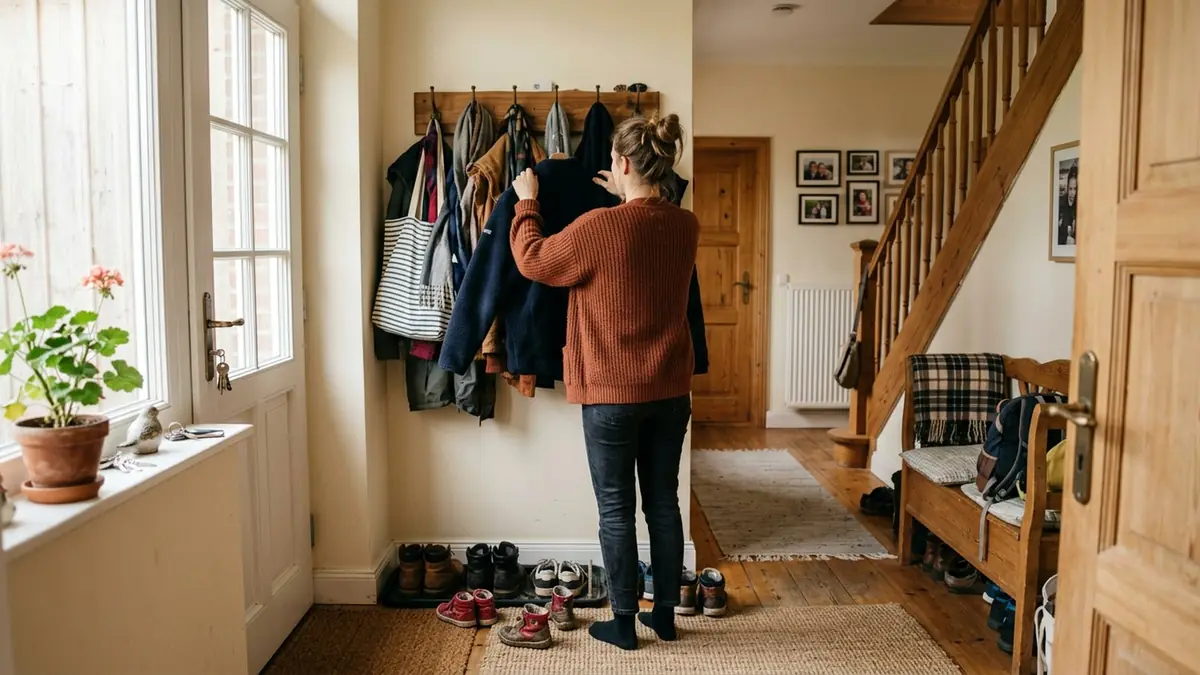
Siblings – when there is suddenly more time for them again
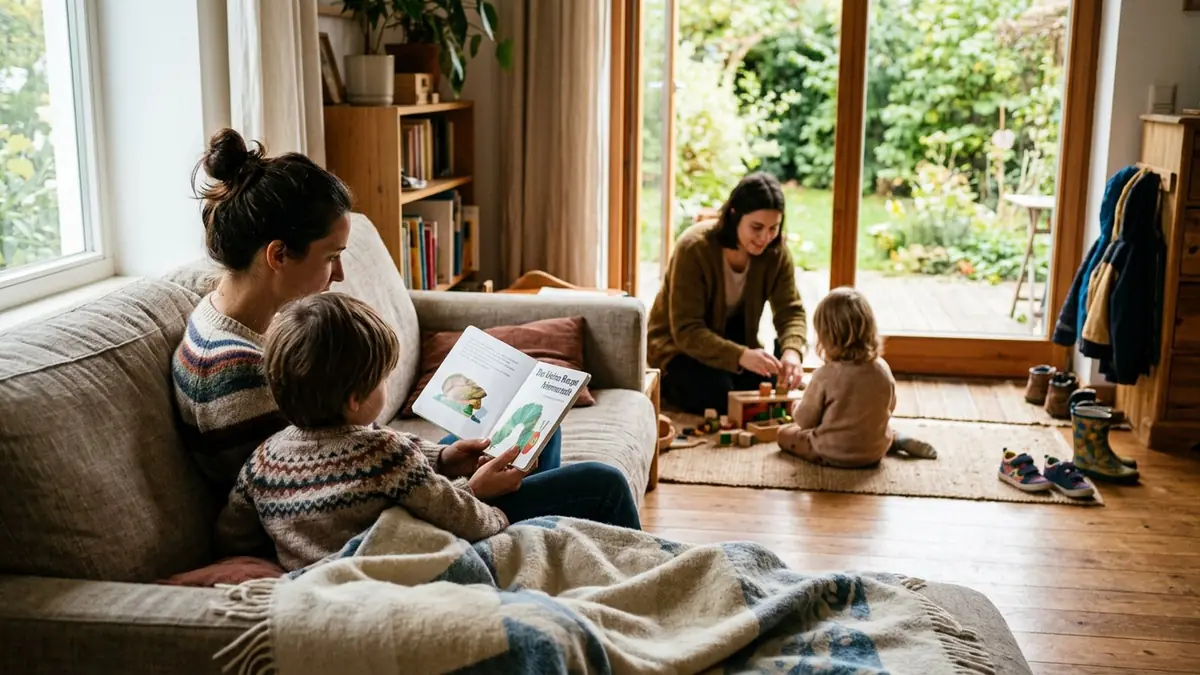
“Mum, will you have a look?” (Translated)
“In a minute.” (Translated)
“Dad, can we play together?” (Translated)
“Later.” (Translated)
“Are you coming to my training today?” (Translated)
“I'll have to see if it works out.” (Translated)
These are small sentences. And of course parents want to be there equally for all of their children.
But when a child with a disability (in German: Kind mit Behinderung) lives in a family and needs more support in everyday life, attention can't always be shared out fairly.
A family cannot be in two places at once.
And so it is sometimes precisely the siblings who become especially independent, who learn to wait, and who understand that their brother or sister needs help first right now.
When one child has to wait more often
A child with a disability may need more support in the mornings, have extra appointments, or need a parent's undivided attention in certain situations.
That doesn't mean their siblings are any less important.
But everyday family life sometimes decides otherwise.
So the sibling waits a little longer. They occupy themselves alone for a while. They understand why Mum or Dad has no time right now.
Some siblings are therefore also called „Schattenkinder“ (literally “shadow children”) – because their own needs can more easily slip into the background in the daily family routine.
It doesn't have to be that way.
And this is exactly where an au pair can change something decisive:
Suddenly there is one more person around.
The au pair can be there for the siblings too
An au pair doesn't become part of the family exclusively for the child with a disability.
They are there for the family – and so for the siblings as well.
They can play, do crafts, play football outside, bake together, help with homework, or simply listen.
And suddenly there is someone who says:
“Come on, let's do this together, just the two of us.” (Translated)
For a sibling, that can be incredibly valuable.
They don't have to wait in this moment. They are the centre of attention. They have a playmate and a trusted person who, right now, has time only for their story, their game or their idea.
And sometimes the au pair looks after the other child
Perhaps the even bigger advantage comes from the fact that roles can be swapped around.
Because, naturally, parents also want to spend this special time with their siblings themselves.
While the au pair, for example, accompanies the child with a disability through everyday tasks or plays with them, a parent can head off with the sibling.
Just the two of them.
It works the other way round just as well: the au pair takes on care for the sibling during therapy, and the waiting room disappears.
Off to sport. For an ice cream. Into town. Doing homework together. Or simply sitting on the sofa for an hour and talking.
Without constantly being needed somewhere else at the same time.
Next time, it might be exactly the other way round: Mum or Dad deliberately spend time with the child with a disability, while the au pair does something with the sibling.
Suddenly, attention can be shared out differently.
Not always does someone have to take a back seat
That is precisely the big difference when another adult is regularly part of everyday family life.
Two children have different needs at the same time?
Then two people can split up too.
One child wants to go to the playground, while the other would rather stay home.
One has to go to an appointment, while the other wants to go to sport.
One child needs quiet right now, while their sibling wants action.
Without extra support, one of the children often has to take a back seat.
With an au pair, new possibilities open up.
The au pair can become a real playmate
Over the months, something develops that can't be planned: a relationship.
Eventually, the au pair knows the children's favourite games. They know who absolutely has to win at memory, which music is currently a hit, and which child needs to tell them what happened that day as soon as they get home from school.
For siblings of children with a disability in particular, an au pair can therefore become much more than someone who supports Mum and Dad.
They can be a playmate, a listener, and a trusted person.
Someone who is happy when the child comes home.
Someone who has time.
Someone who sees them.
More support for the family means more possibilities for each child
An au pair can't and shouldn't replace the parents.
But another trusted person in everyday family life can create something that many families with several children especially wish for:
more time for each individual child.
Sometimes the au pair is there for the sibling.
Sometimes they take on everyday tasks around the child with a disability, creating space for exclusive parent time with the sibling.
And sometimes there are simply two adults around when two children need someone at the same time.
That might sound like a small change.
For a sibling, though, it can be a very big one.
Because suddenly, it's said a little less often:
“Wait a moment.” (Translated)
And a little more often instead:
“Now it's your turn.” (Translated)