An au pair in a foster family – when two more hands make a difference
Foster parents (Pflegeeltern) achieve something incredible every single day.
They give a child not just a home. They give security, structure and reliability – often after experiences that have already shaped that child.
What this everyday life actually involves, however, is rarely visible from the outside in its full intensity.
Appointments. School or nursery. Therapies. Conversations with support services. Challenging situations. Siblings. Household. Work. And, at the same time, the wish to do right by every single child.
This is why many foster families turn to our au pair agency, because at some point they reach a stage where they say:
We simply need two more hands in everyday life.
Why an au pair can be such a relief particularly for foster families
An au pair doesn't just come into the family for a few hours here and there.
They live in the household and become part of family life for many months.
This is a real advantage, especially for foster children, for whom reliability, recurring routines and familiar people can be particularly important.
The au pair gets to know the family. They experience the routines. Over time, they know how the morning unfolds, what happens after school, and which situations may be more difficult for a child.
Foster parents don't have to keep explaining, over and over, how their family's everyday life works.
Structure, repetition and reliability
Many foster families care for children with additional needs. Families with children with FASD (Fetal Alcohol Spectrum Disorder) also regularly get in touch with us.
It is precisely here that a structured, as predictable as possible, daily routine can play an important role.
An au pair can help support these everyday structures.
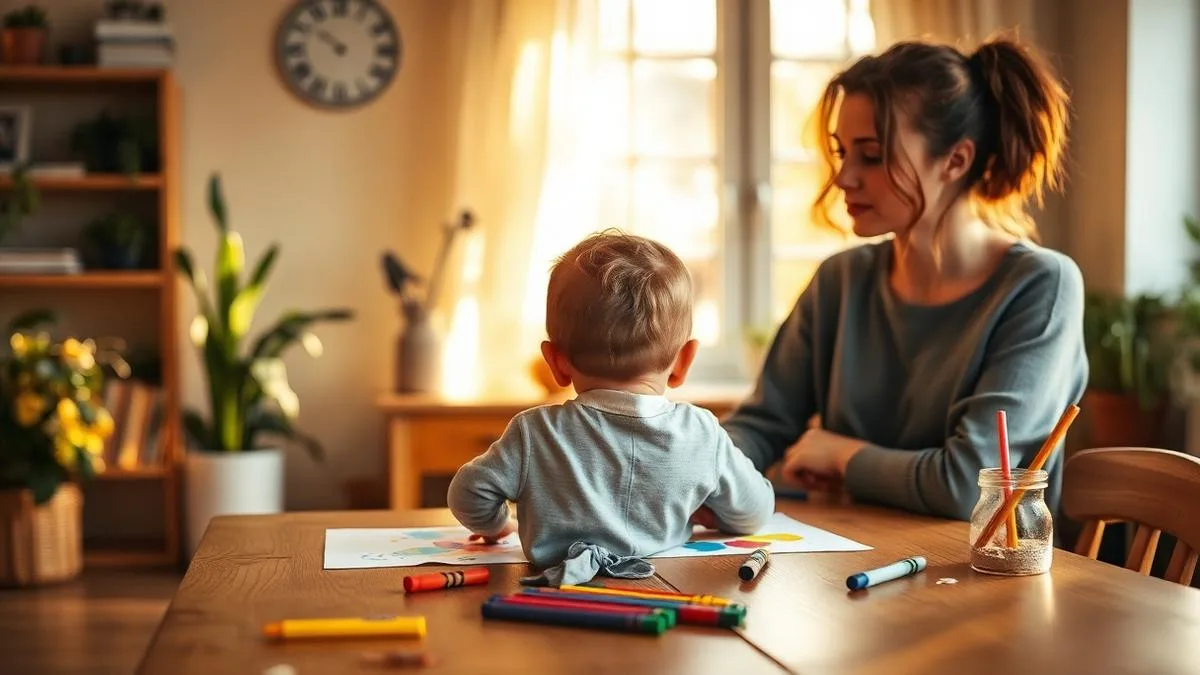
Having breakfast together. Helping with getting ready. Playing in the afternoon. Being there after school. Going outside together. Accompanying everyday tasks.
This is not about the au pair taking on therapeutic or nursing-related tasks.
It is about support within completely ordinary family life.
And it is precisely this everyday life that consists of countless small tasks.
One more adult in the house
Perhaps this is one of the greatest advantages of all.
There is someone else there.
When several children need something at the same time in the morning. When a sibling has to be picked up. When one child needs particularly a lot of attention right now. When cooking needs to happen and, at the same time, someone wants to be kept busy.
An au pair cannot take over the foster parents' responsibility.
But they can help carry the load.
One more pair of hands. One more pair of eyes. One more familiar person who knows the family's everyday life.
That can make a big difference.
More space for the other children
Several children often live in foster families – foster children, biological children or other siblings.
And when one child needs particularly a lot of support right now, sometimes less time is left for the others than parents would actually wish for.
An au pair can help ease this situation.
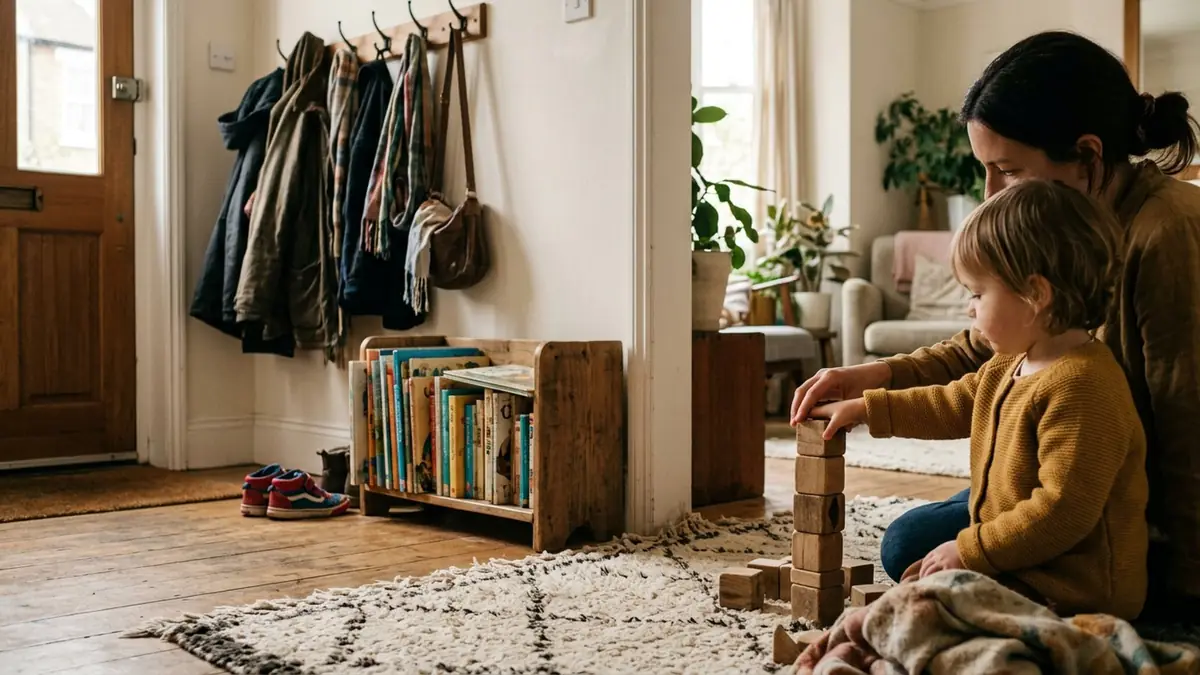
While the au pair, for example, plays with one child or accompanies them during an everyday activity, this creates time for the foster parents to spend with another child.
Time for homework. For a conversation. For a shared outing. Or simply for undivided attention.
Relief for the parents can therefore mean more time for the children at the same time.
Support within familiar surroundings
Many foster children have already experienced changes in their lives.
An au pair offers a form of support that takes place right in the middle of familiar family surroundings.
The child doesn't have to be taken somewhere else for every bit of support. The support doesn't just come for a single appointment.
The au pair lives in the household and, over the months, can themselves become a familiar person.
Naturally, this doesn't happen on the first day.
Trust takes time.
But that is exactly the kind of time an au pair stay provides.
Who is actually living with our family?
For foster families in particular, the question of whom they entrust their children to is especially important.
Au pairs placed through Besondere Sterne therefore provide, among other things, a polizeiliches Führungszeugnis (police certificate of good conduct).
Furthermore, our au pairs are prepared for their stay and for working within a family. During placement, we look closely at what experience an au pair brings and what requirements a family has for the support they need.
Because not every au pair suits every family – and when it comes to foster families in particular, we look especially closely at the matching process.
An au pair does not replace a trained professional
An au pair is not a trained childcare professional (pädagogische Fachkraft), not a carer, and not a therapeutic support worker.
And that is exactly as it should be.
Their role lies precisely where families need relief every day:
in everyday life.
Accompanying. Playing. Supporting. Helping out. Being there.
For foster families, this extra person in daily life can be incredibly valuable.
Because sometimes a family doesn't need yet another appointment.
Sometimes it simply needs someone who is already there in the morning, who knows the daily routine and pitches in.
One more pair of hands – and a familiar person who helps carry a piece of everyday family life.